
Eating Disorder Therapy & Body Image Support in Phoenix, AZ
Online Therapy Offered Throughout Arizona and California
Eating Disorder Therapy That Can Help!
I provide online eating disorder therapy throughout Arizona and California for women who are navigating disordered eating patterns, body image concerns, and anxiety related to food and control. Many of the clients I work with are successful and capable in many areas of life, yet feel stuck in cycles of restriction, emotional eating, bingeing, or constant mental focus on food and appearance.
You Don’t Have to Keep Living This Way
If thoughts about food or your body are taking up more space than you want them to, support is available. Online eating disorder therapy can help you reduce constant food preoccupation, stabilize eating patterns, feel calmer in your daily life, and build a more trusting relationship with yourself. Change is possible — even if you have felt stuck in these patterns for a long time. Through a compassionate and structured approach, therapy focuses on helping you manage anxiety, navigate life transitions, and develop sustainable coping skills so that eating concerns no longer feel like they are in control. Reaching out can be the first step toward feeling more grounded, confident, and emotionally at ease.
How To Reach Out To An Eating Disorder Therapist
Step 1: Get Connected With Samantha
Complete the contact form on the website or contact Samantha via email. She will respond to all inquiries within 48 hours.
Step 2: Book A Free Consultation Call
Our consultation call is a free, 15 minute phone conversation to ensure therapeutic fit. During this time, it’s great to ask questions pertaining to insurance & cost.
Step 3: Schedule Your Initial Therapy Session
You did it! We’re so thankful you’re here. Together, we’ll work toward healing, growth, and meaningful change.
About Me - Eating Disorder Therapist for Women in Phoenix, AZ
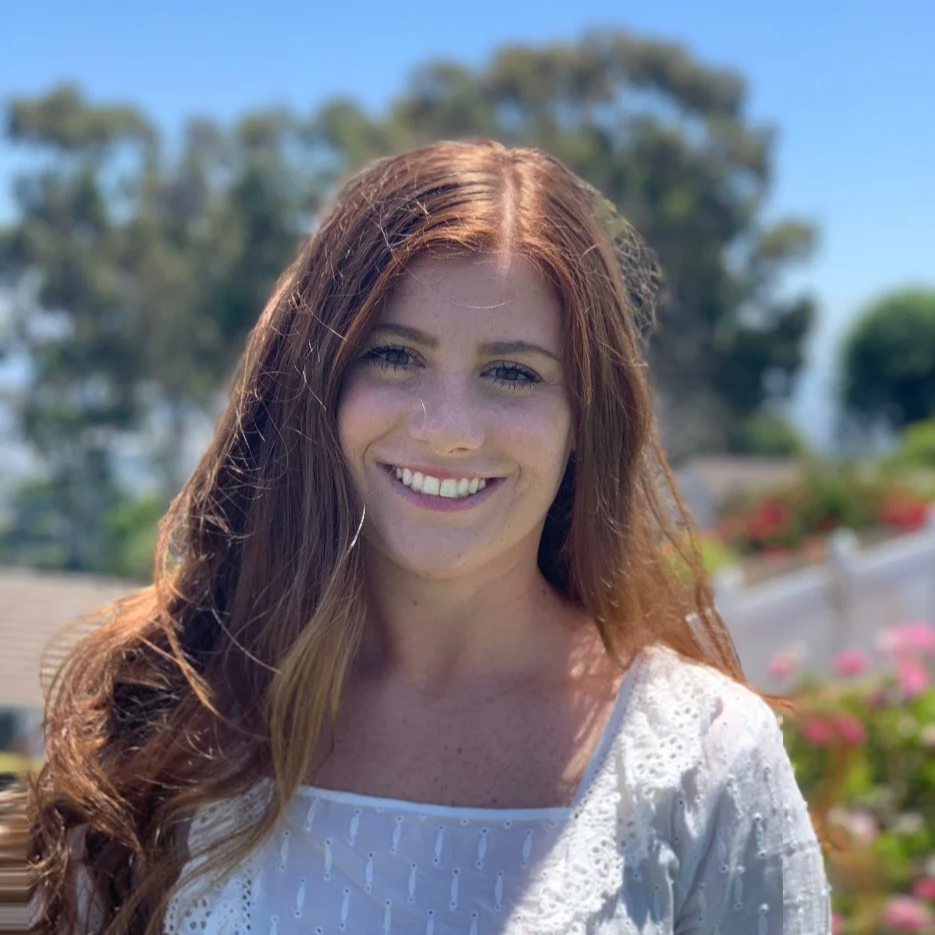
My name is Sam, and I am a Licensed Marriage and Family Therapist with over 7 years of clinical experience supporting women with eating disorders and body image concerns throughout Arizona and California. My approach is collaborative, supportive, and rooted in curiosity rather than judgment. We focus on understanding your patterns with food and your body while also exploring the deeper emotional experiences that may be connected to them.
In therapy, we work toward:
Reducing shame and self-criticism
Increasing awareness of emotional and behavioral patterns
Building a more flexible relationship with food and body image
Supporting nervous system regulation and emotional grounding
Developing more sustainable coping strategies
The goal is not perfection or strict control—it is a more peaceful, compassionate, and stable relationship with yourself.
How Anxiety and Control Shape Eating Patterns
For many women, eating patterns are closely connected to anxiety and the need for control. Food, routines, and body focus can become ways of managing internal overwhelm, uncertainty, or emotional discomfort.
What may begin as an attempt to feel more stable or in control can gradually become exhausting and emotionally consuming. This is why eating disorder therapy often involves exploring both the behaviors themselves and the emotional patterns that support them.
When Your Relationship With Food Feels Complicated
Struggles with eating do not always fit what people expect. You may not identify with labels or feel like things are “serious enough,” yet still notice that food and body image take up significant mental and emotional space.
You might find yourself:
Thinking about food, eating, or your body throughout the day
Moving between restriction, overeating, or emotional eating
Feeling guilt, shame, or anxiety after eating
Trying to maintain control through food, routines, or exercise
Feeling disconnected from your body’s natural cues
Over time, these patterns can feel draining, confusing, and difficult to change on your own.

Eating Disorders Don’t Always Look Obvious
Eating disorders and disordered eating can show up in many different ways, including:
Restricting or limiting food intake
Binge eating or feeling out of control around food
Emotional eating as a way to manage stress or anxiety
Compulsive or rigid exercise patterns
Constant body checking or body dissatisfaction
Preoccupation with calories, weight, or appearance
Cycles of control, guilt, and shame
These patterns often exist alongside anxiety, perfectionism, and a deep pressure to meet internal or external expectations.
If you are ready to take the next step, I invite you to schedule a free consultation to discuss your needs and explore whether working together feels like the right fit.

Healing Your Relationship With Food and Body Image
Recovery is not about achieving perfection or following rigid rules. It is about creating a more compassionate and sustainable way of responding to stress, emotions, and self-expectations. Over time, therapy can help you experience greater emotional balance, improved self-trust, and more freedom in how you relate to food and your body.
Eating Disorders and Life Transitions
Periods of change — such as starting a new career, navigating relationship shifts, becoming a parent, or redefining personal goals — can increase vulnerability to eating disorder symptoms. Therapy provides a space to process these transitions while building resilience and confidence in your ability to move forward. I provide therapy for individuals experiencing anorexia, bulimia, binge eating disorder, and disordered eating patterns.